Introduction To Piping & Piping Engineering
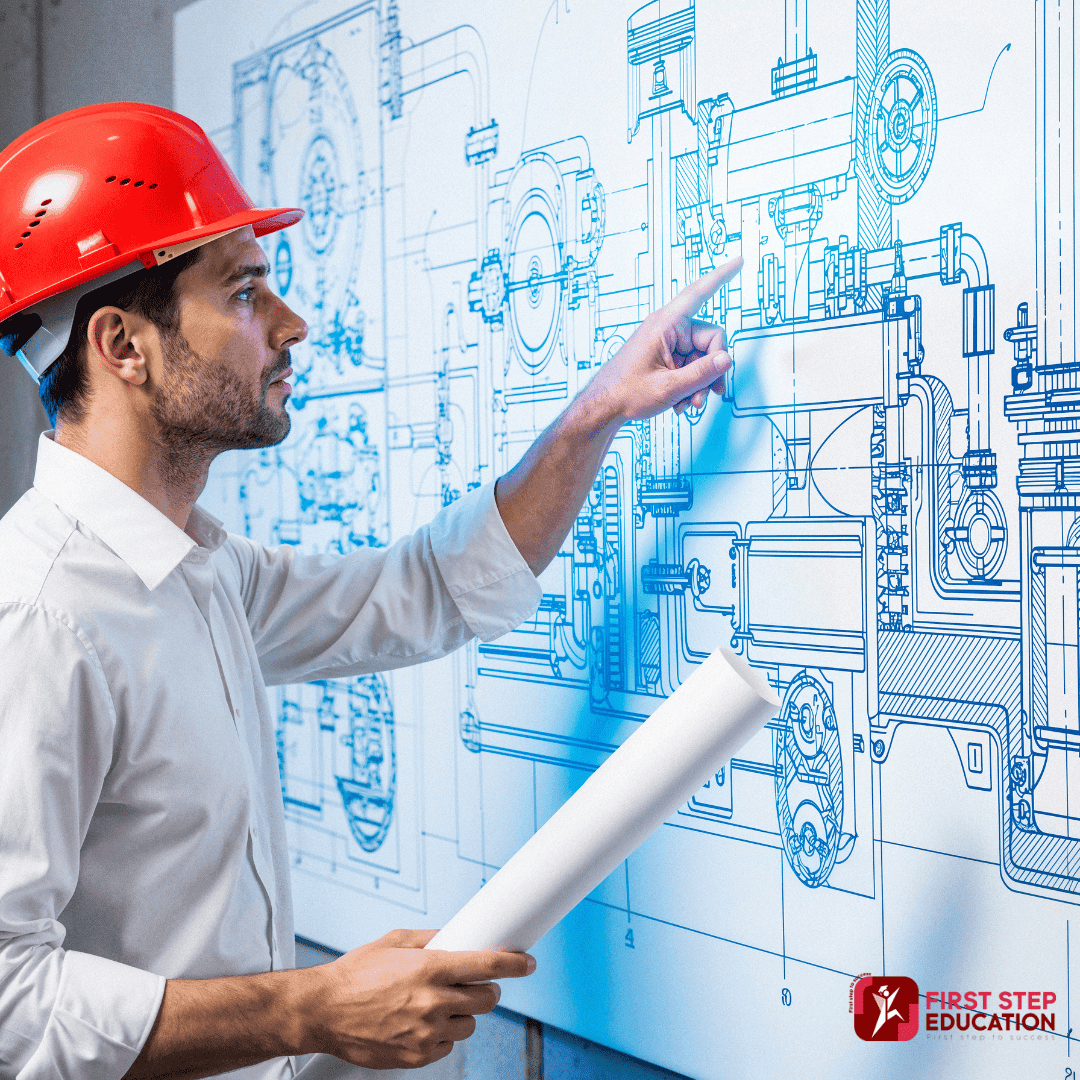
Piping systems are often compared to the arteries and veins of modern civilization because they play a crucial role in sustaining daily life. Just as blood flows through the human body, these systems transport essential fluids and materials across cities, industries, and infrastructure networks.
In urban areas, piping systems supply clean water from its source to residential, commercial, and public facilities. They also carry wastewater and sewage to treatment plants or designated disposal points, ensuring sanitation and public health. In the energy sector, pipelines are used to transport crude oil from extraction sites to storage facilities or refineries, while natural gas pipelines deliver fuel to power plants, industries, and homes.
Industrial facilities such as chemical plants, food processing units, and paper mills depend on piping systems to move liquids, gases, chemicals, and mixtures efficiently within their operations. Fire protection systems also rely on piping networks to distribute water and other fire-suppressing agents, ensuring safety of life and property.
In power plants, piping systems carry high-pressure, high-temperature steam required for electricity generation, along with water, chemicals, and condensate for continuous operation. Specialized piping is also used to safely handle hazardous and toxic substances, minimizing risks to people and the environment. Additionally, storm water and wastewater piping systems help manage large volumes of water, protecting urban and industrial areas from flooding.
In healthcare facilities and laboratories, piping systems are essential for transporting medical gases, chemicals, and other critical fluids used in treatment and research.The design, construction, and maintenance of piping systems require a solid understanding of engineering principles, materials, fabrication methods, inspection, and applicable regulations.
Piping is not limited to pipes alone; it includes components such as fittings, valves, flanges, gaskets, and supports. When these elements are properly connected and supported, they form a complete piping system capable of safely transporting substances under various conditions.
PIPING ENGINEERING
Piping engineering is the discipline focused on designing, analyzing, and managing systems that transport fluids such as liquids, gases, or slurries through pipes. It blends mechanical design, materials science, and practical layout planning to ensure that piping networks operate safely, efficiently, and reliably under varying pressures and temperatures. A piping engineer considers factors like flow behavior, corrosion resistance, thermal expansion, support structures, and maintenance access while developing systems for industries such as oil and gas, power generation, chemicals, and water treatment. The goal is not just to move fluids, but to do so in a way that balances performance, safety, cost, and long-term durability.
Piping engineering goes beyond simply connecting pipes to move fluids—it is about shaping an entire flow system that behaves predictably under real-world conditions. A piping engineer visualizes how fluids travel through a network and translates that into a physical layout that fits within a plant, building, or industrial facility. This involves deciding pipe routes, sizes, and configurations while making sure the system can handle pressure changes, temperature fluctuations, vibration, and environmental exposure.
One of the key aspects is system layout—deciding how pipes are routed through a facility. This involves balancing efficiency, safety, accessibility for maintenance, and space constraints. Poor routing can lead to energy loss, excessive stress on components, or difficulty in inspection and repair. Engineers also think about how the system will behave over time, especially with thermal expansion or contraction, which can cause pipes to shift or deform if not properly accounted for.
One important aspect is understanding how materials respond over time or we can say material selection. Pipes may expand, contract, corrode, or wear depending on what they carry and the surrounding conditions. The engineer selects materials and protective measures that match the service requirements, ensuring the system remains safe and durable. At the same time, the design must allow for inspection, repair, and future modifications without disrupting operations.
Stress analysis and flexibility are also central. Pipes are rarely static; they expand, vibrate, and experience loads from fluid flow and external forces. Engineers design supports, anchors, and expansion loops to absorb these movements and prevent damage or failure.
A deeper layer of the discipline involves understanding fluid behavior in motion. Engineers consider flow rate, pressure drops, turbulence, and energy losses as fluids travel through pipes, bends, valves, and fittings. Even small changes in diameter or direction can significantly affect performance. The goal is to design a system that delivers the required flow without wasting energy or causing excessive wear.
Another important dimension is component integration. A piping system is not just pipes—it includes valves, pumps, compressors, flanges, gaskets, and instruments. Each component must be correctly selected and positioned. For example, valves need to be accessible for operation and maintenance, while instruments must be placed where they can accurately measure flow, pressure, or temperature.
Constructability and installation are also key concerns. Engineers think about how the system will actually be built in the field. This includes breaking the design into manageable sections, planning welds and joints, and ensuring that the layout allows workers to assemble and align components without difficulty. A design that looks perfect on paper can fail if it is impractical to install.
Over time, maintenance and inspection become critical. Piping systems are exposed to corrosion, erosion, fatigue, and scaling. Engineers often include features that make inspection easier, such as access points or removable sections. They may also plan for cleaning processes like flushing or pigging in certain industries.
There is also a strong focus on risk management. Engineers anticipate possible failure scenarios—like leaks, overpressure, or thermal stress—and design safeguards to prevent them or reduce their impact. This could involve pressure relief devices, redundancy in critical lines, or isolation systems that allow sections to be shut down without affecting the entire plant.
In modern practice, piping engineering increasingly uses digital tools and 3D modeling to visualize entire systems before construction begins. These tools help detect clashes with other equipment, optimize routing, and improve coordination across teams. Some examples are E3D, SP3D, Plant3D, CADWorx, CAESAR
Piping engineering also connects closely with other disciplines. It must align with structural supports, equipment placement, and process requirements, often requiring careful coordination to avoid clashes and inefficiencies. The layout must be practical for construction teams to install and for operators to use and maintain.
In essence, piping engineering is about creating a balanced system where fluid movement, mechanical integrity, and real-world usability all come together. It requires both technical knowledge and spatial thinking, turning complex process needs into a working network that performs reliably over its entire lifespan.