INTRODUCTION TO PIPING
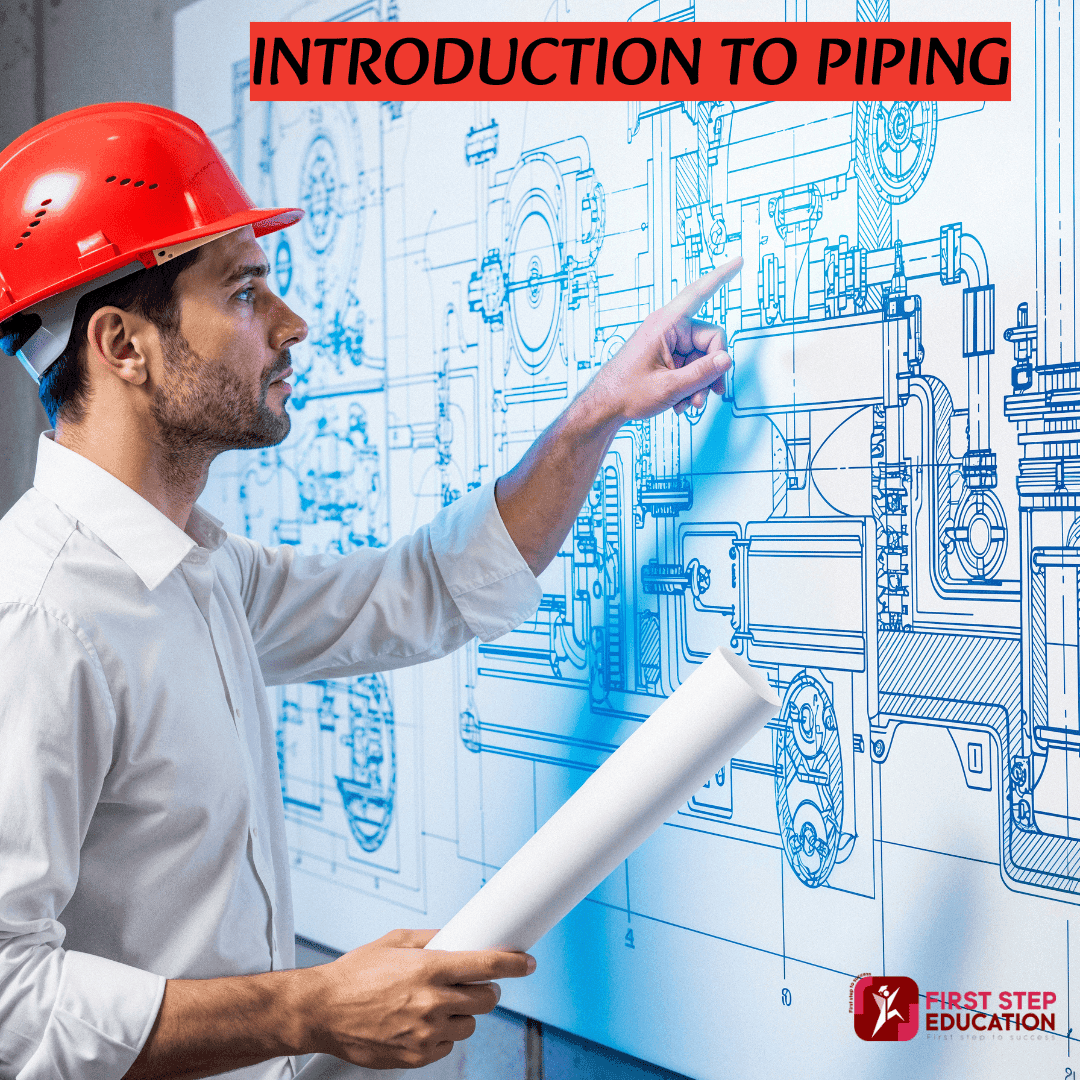
Piping systems are often compared to the arteries and veins of modern civilization because they play a crucial role in sustaining daily life. Just as blood flows through the human body, these systems transport essential fluids and materials across cities, industries, and infrastructure networks.
In urban areas, piping systems supply clean water from its source to residential, commercial, and public facilities. They also carry wastewater and sewage to treatment plants or designated disposal points, ensuring sanitation and public health. In the energy sector, pipelines are used to transport crude oil from extraction sites to storage facilities or refineries, while natural gas pipelines deliver fuel to power plants, industries, and homes.
Industrial facilities such as chemical plants, food processing units, and paper mills depend on piping systems to move liquids, gases, chemicals, and mixtures efficiently within their operations. Fire protection systems also rely on piping networks to distribute water and other fire-suppressing agents, ensuring safety of life and property.
In power plants, piping systems carry high-pressure, high-temperature steam required for electricity generation, along with water, chemicals, and condensate for continuous operation. Specialized piping is also used to safely handle hazardous and toxic substances, minimizing risks to people and the environment. Additionally, storm water and wastewater piping systems help manage large volumes of water, protecting urban and industrial areas from flooding.
In healthcare facilities and laboratories, piping systems are essential for transporting medical gases, chemicals, and other critical fluids used in treatment and research.The design, construction, and maintenance of piping systems require a solid understanding of engineering principles, materials, fabrication methods, inspection, and applicable regulations.
Piping is not limited to pipes alone; it includes components such as fittings, valves, flanges, gaskets, and supports. When these elements are properly connected and supported, they form a complete piping system capable of safely transporting substances under various conditions.